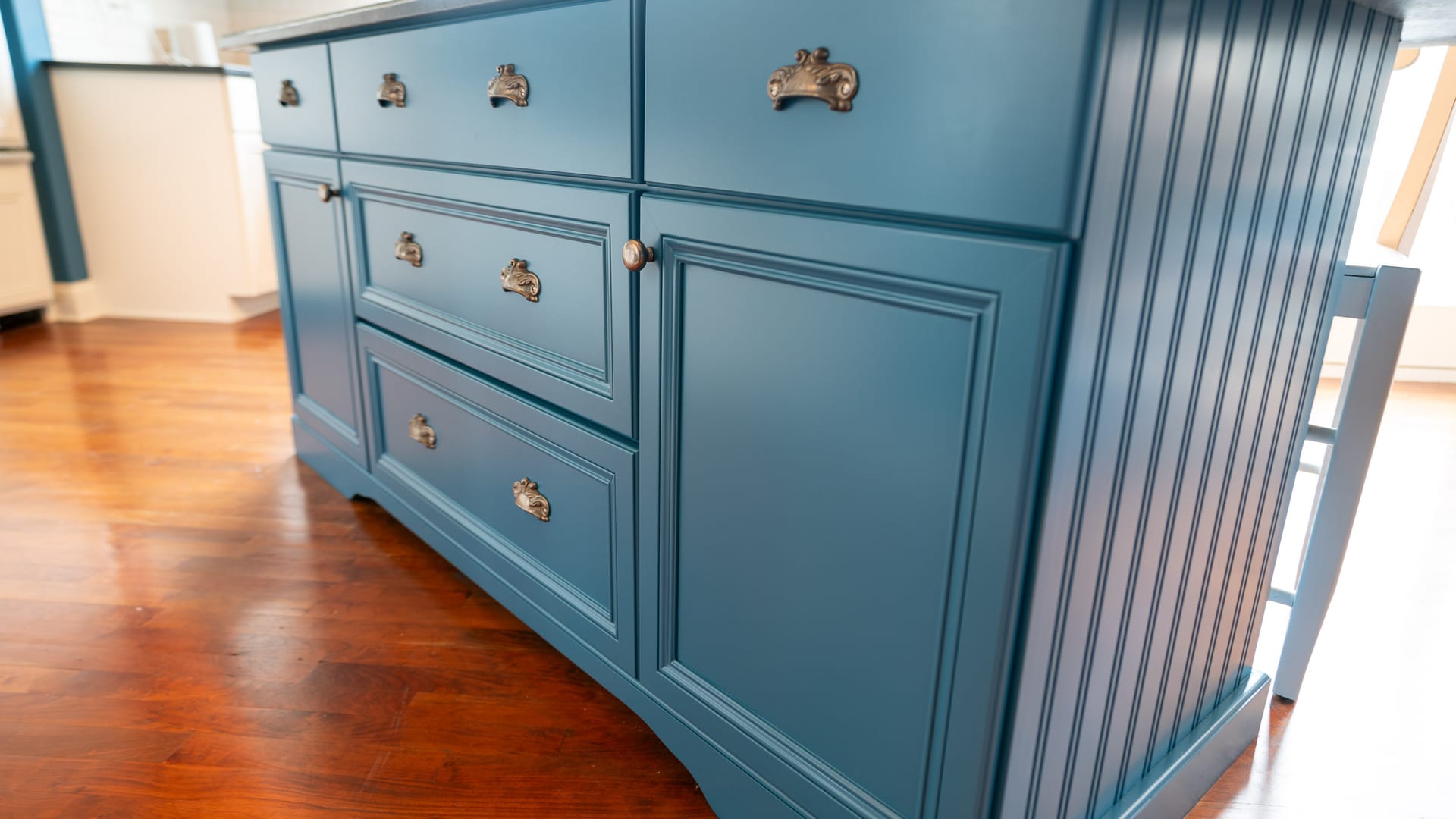
Cabinet Painting in Hinsdale, IL
Cabinet Painting in Hinsdale
Hinsdale kitchens range from original cabinetry in downtown Victorians to mid-century builds in the post-war housing stock to fully custom contemporary work in Southeast Hinsdale. Many of these kitchens have solid cabinet boxes that don't need replacing — what they need is a fresh, durable, professionally sprayed finish. Cabinet painting transforms a kitchen for 50–70% less than tear-out replacement, with results that hold up for years in a working kitchen. We spray Sherwin-Williams Gallery Waterborne Lacquers and ILVA 1K and 2K poly — professional cabinet finishes, not the brush-and-roll consumer products. Doors and drawer fronts are removed and finished off-site in our spray booth; cabinet boxes are masked, prepped, and finished in-place. Z&Z has served Hinsdale homeowners since 2006.
Popular Projects
Solutions designed for your specific situation
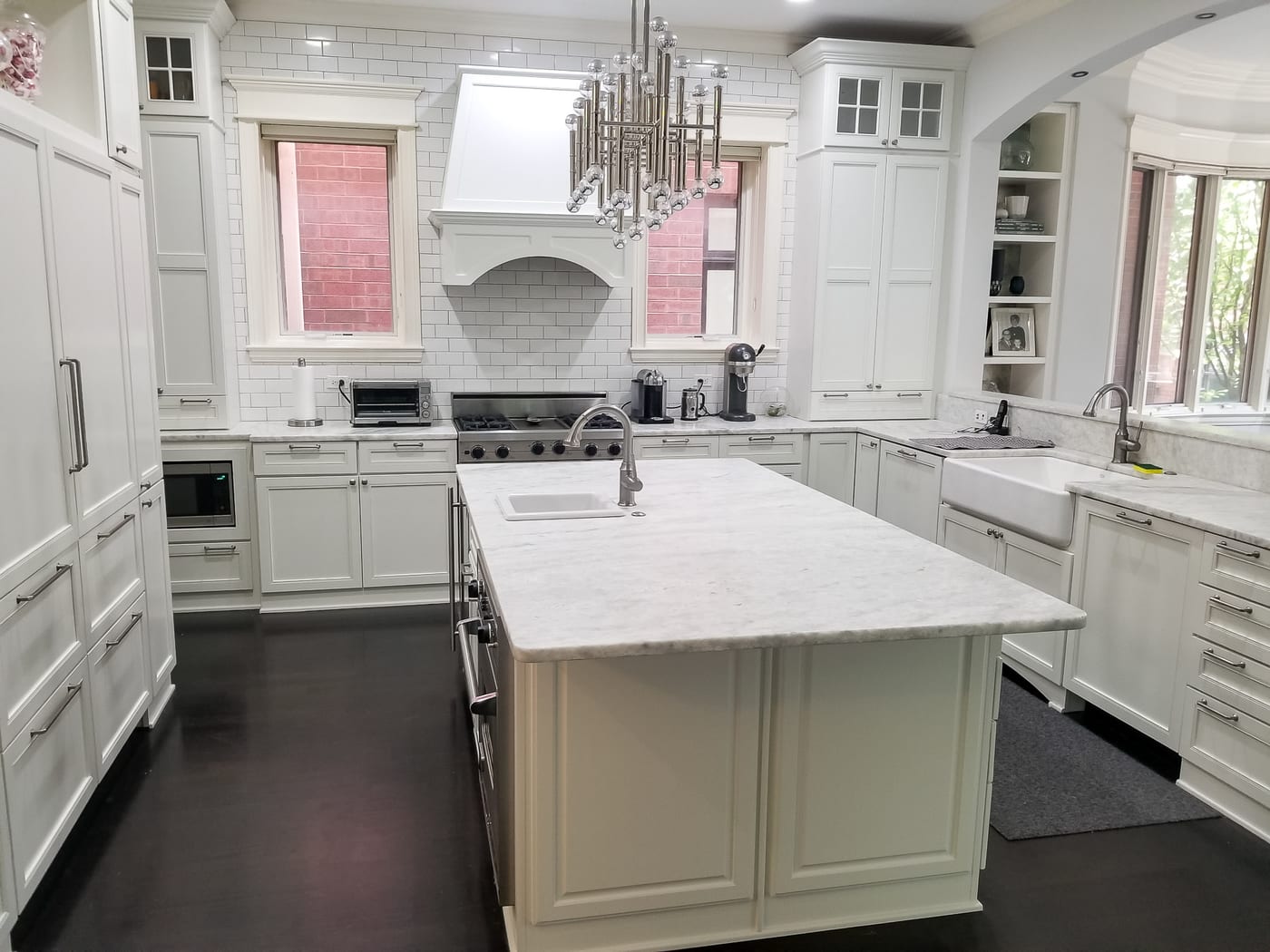
Complete Kitchen Refresh
Transform your kitchen's appearance by repainting all cabinets. Perfect for updating dated oak or cherry to a contemporary painted look. We assist with minor updates like new hardware or crown molding for an upgraded feel. Modern colors make kitchens feel bright and spacious.
Kitchen Refresh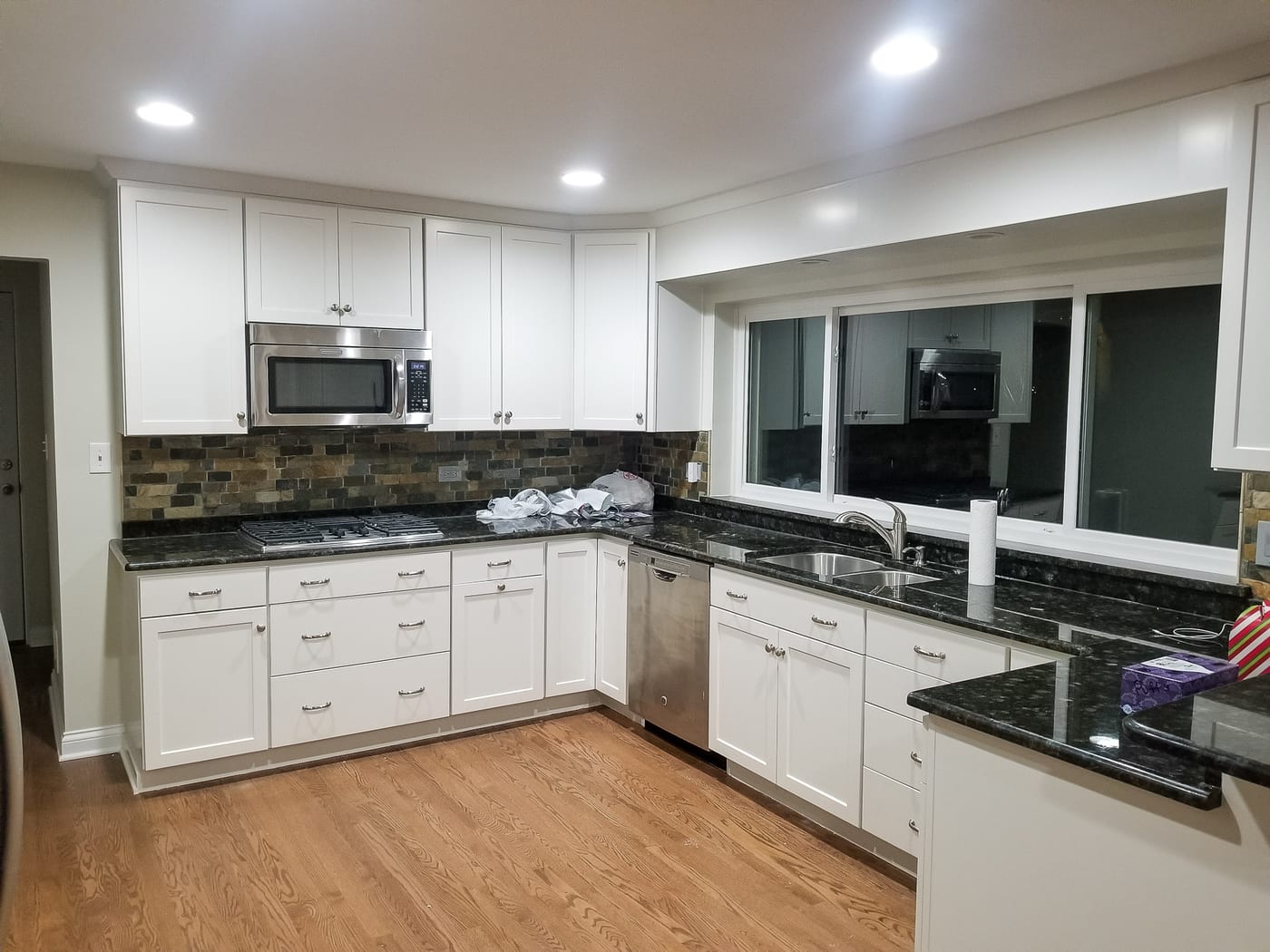
Pre-Sale Kitchen Upgrade
Dated kitchen cabinets can drag down your home's value. Painting cabinets in a neutral, modern color is cost-effective way to impress buyers. We transform 1990s oak cabinets to popular soft white, instantly making the kitchen feel brighter and more up-to-date for showings.
Pre-Sale Upgrade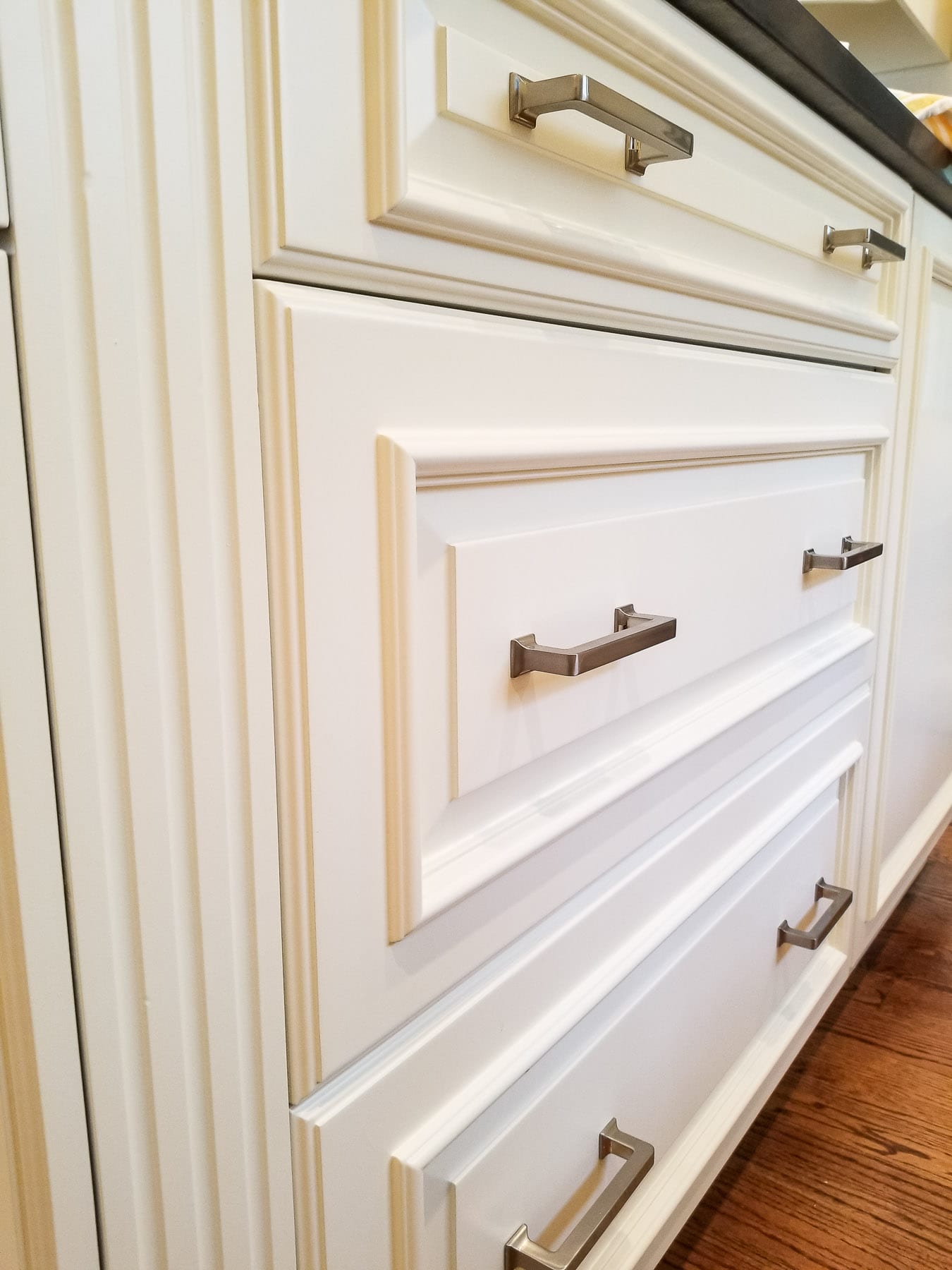
Rental Property Refresh
Landlords can increase rental desirability by updating worn or mismatched cabinets. We use durable enamel in neutral colors that hold up to renter wear-and-tear and are easy to clean. Great for rental turnovers to make units feel fresh and well-maintained.
Rental Services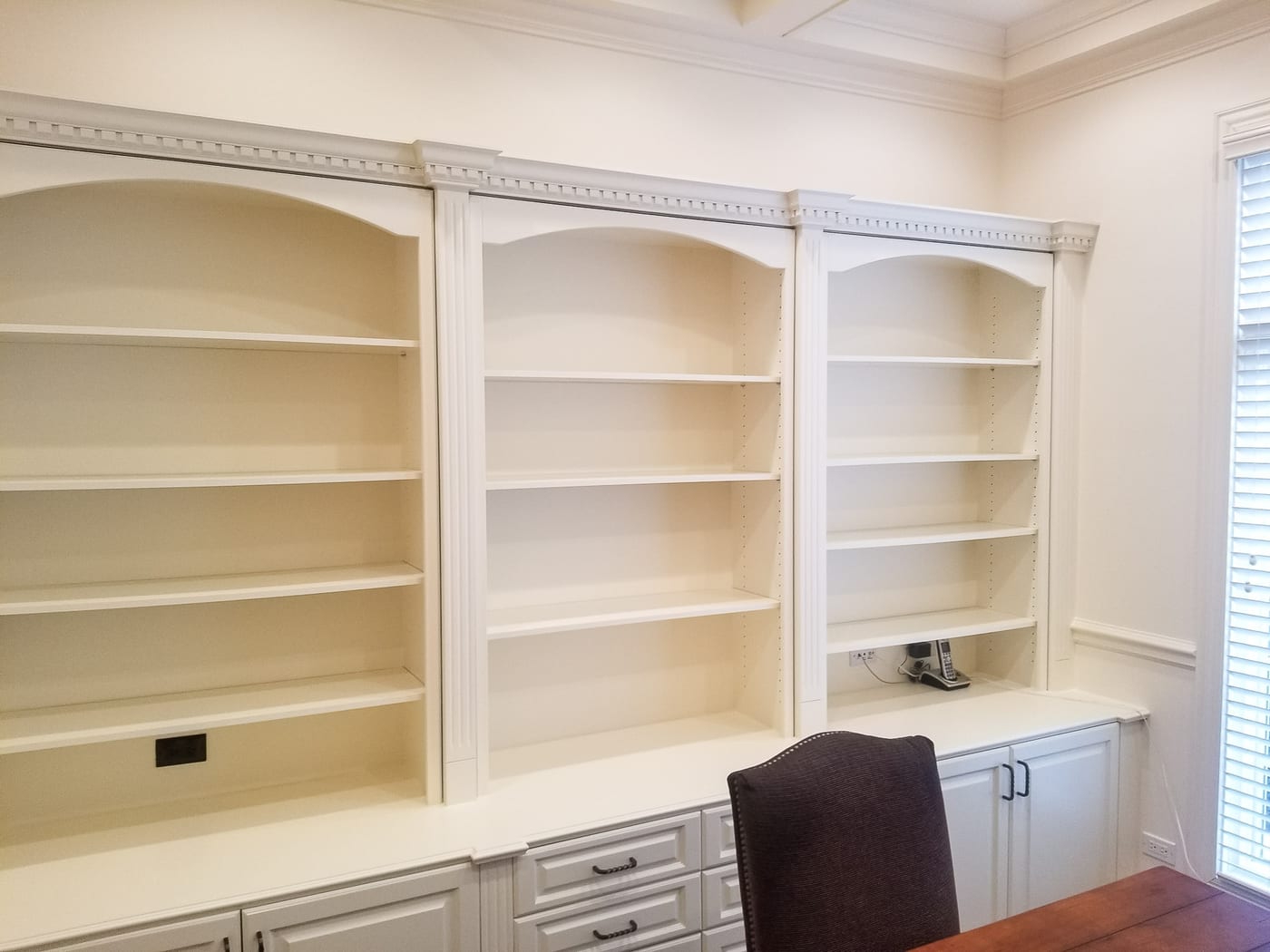
Bathroom & Built-Ins
We offer custom painting for bathroom vanities, laundry room cabinets, bookshelves, and more. Same factory-quality finish as kitchen cabinets. We even do two-tone finishes or special effects like a distressed look on request for unique character.
Vanity & Built-InsHave a Different Project?
We handle all types of painting projects. Let's discuss yours.
Get Free EstimateOur Cabinet Painting & Refinishing Process
From consultation to reinstallation—here's what to expect.
Color Consultation & Sample Approval
Choose your color — classic white, warm greige, deep navy, two-tone. On request we'll spray a sample door in your color so you see the finish in your kitchen's actual light before we commit to the full project.
Hardware Removal & Door Labeling
Every door, drawer front, and piece of hardware is removed and labeled so each one returns to exactly where it came from. Boxes get numbered; doors get tagged with their cabinet position.
Doors & Drawers Transported to Spray Shop
Doors and drawer fronts leave your home on day one and go to our dedicated off-site spray shop, where dust, humidity, and ventilation are controlled — conditions no garage tent can match.
On-Site Containment & Box Preparation
In your home, we set up dust containment around the cabinet boxes, protect counters, appliances, and floors, and degrease, sand, and caulk the carcasses in place.
Primer — Boxes On-Site, Doors in Shop
We spray bonding primer on the on-site boxes and the shop-side doors in parallel. Same primer system, two environments, one finish.
Topcoats — Professional Spray Coatings
Multiple spray coats of Sherwin-Williams Gallery Waterborne Lacquer or ILVA 1K/2K poly, with light sanding between coats. Boxes are sprayed on-site with containment; doors are sprayed in the shop's spray booth.
Full Cure Before Reassembly
Doors cure fully on shop racks before transport back to your home. No soft coatings getting handled early — a common cause of fingernail prints and early chipping on rushed cabinet jobs.
Doors Returned & Reinstalled
Cured doors and drawer fronts come back to the house. We reinstall each one in its labeled position, adjust hinges, and align reveals.
Hardware Reinstall & Punch-List Walkthrough
New or existing hardware goes back on. We walk the kitchen with you — door by door — and address any touch-ups before we pack up.
Ready to get started? Let's discuss your project.
Schedule Free ConsultationRecent Cabinet Painting Projects
Before and after transformations
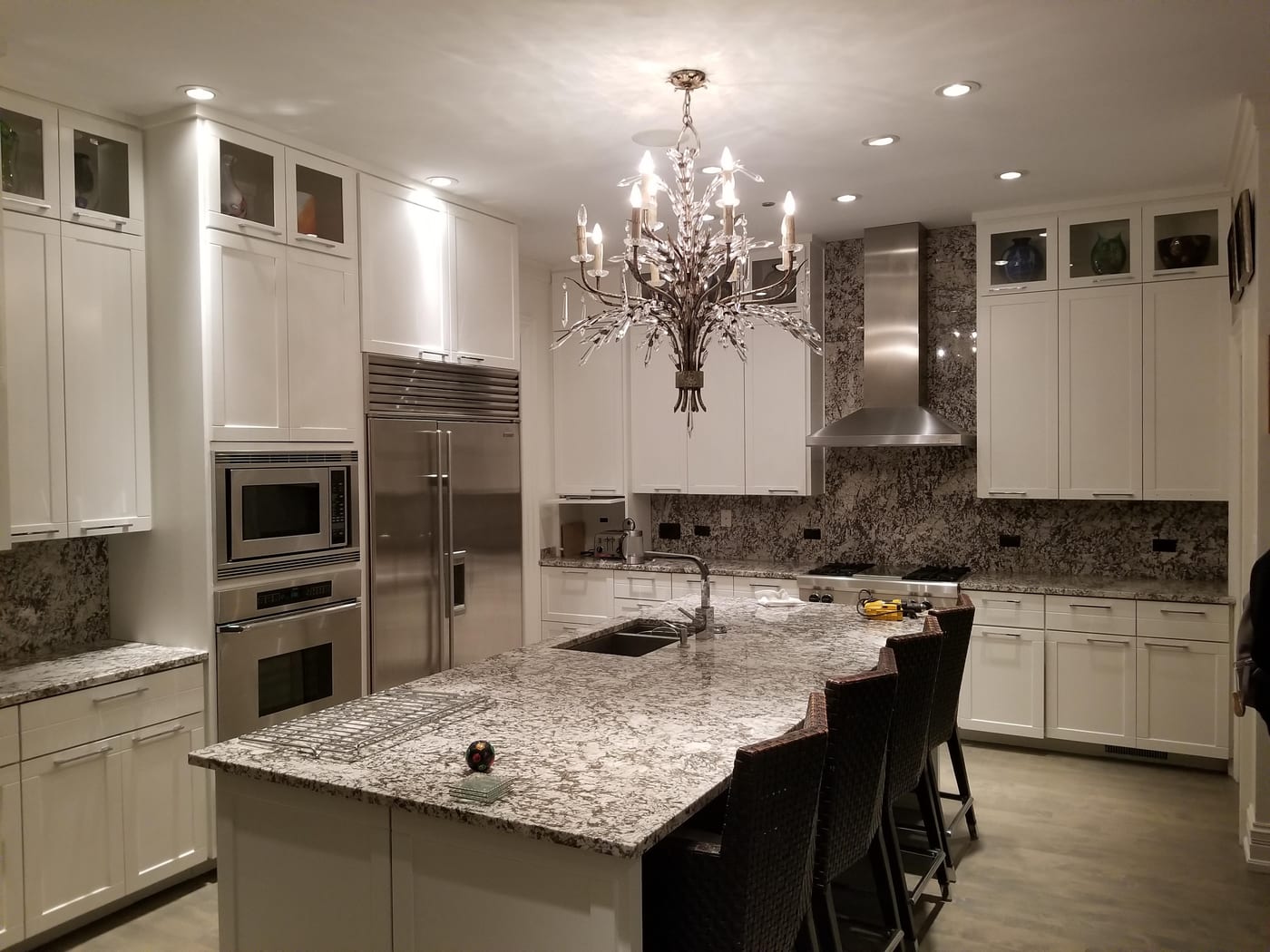
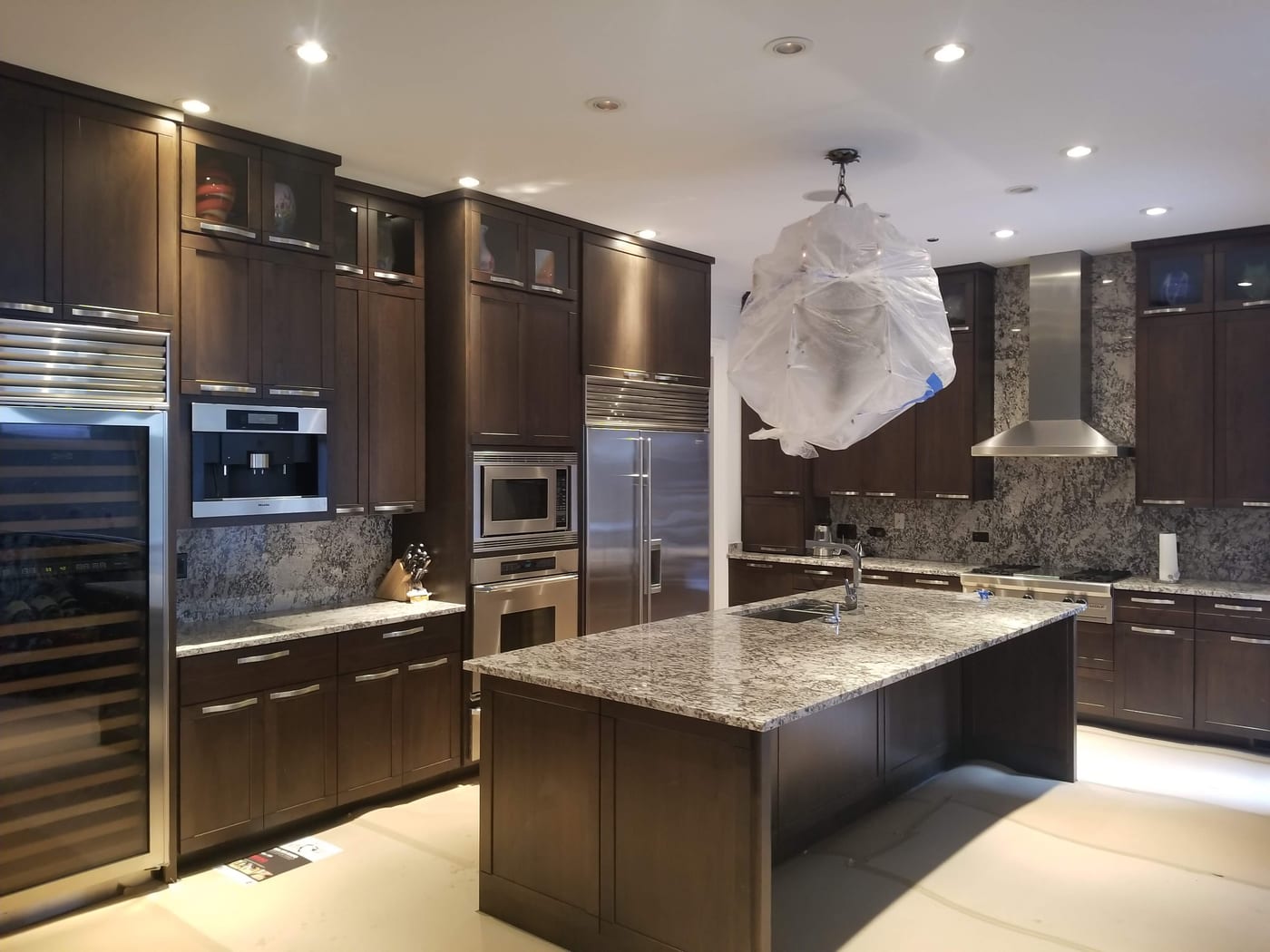
Cabinet painting cherry wood kitchen cabinets.
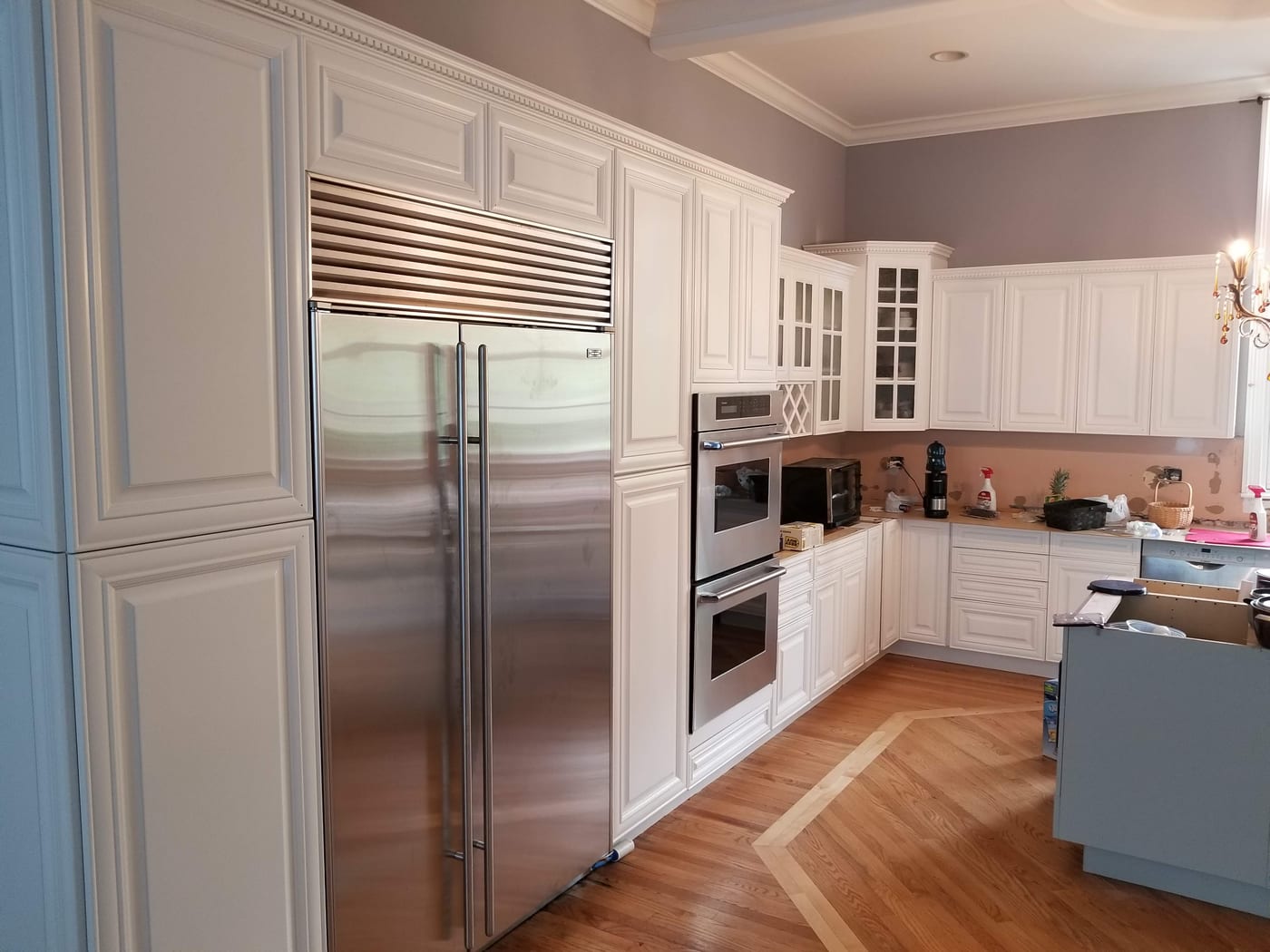
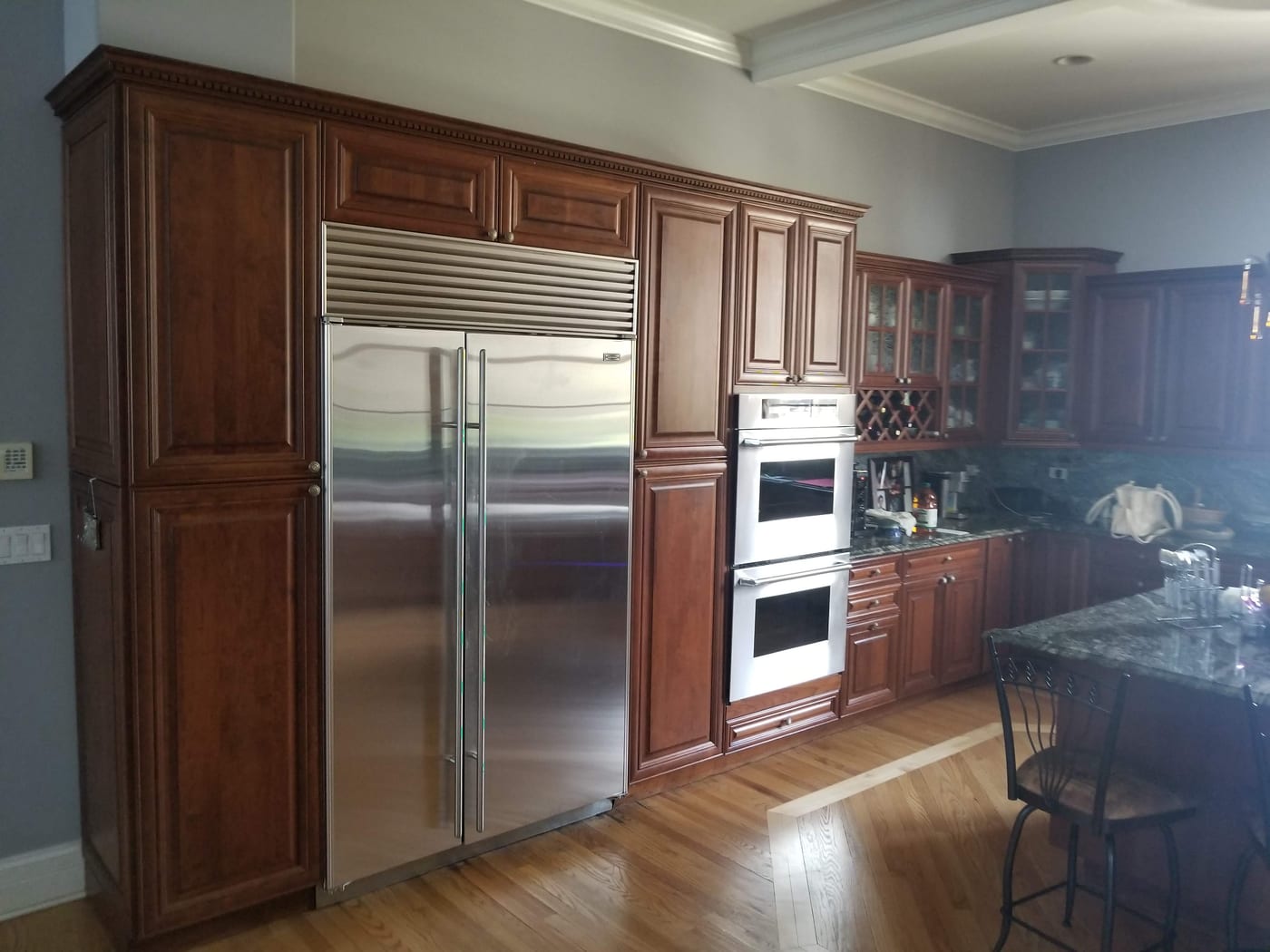
Cabinet painting traditional kitchen cabinet refinish.
Hinsdale Cabinet Painting Pricing
$4,500 – $8,500
Hinsdale cabinet projects typically run $4,500 to $8,500. We price at roughly $150 per panel (door or drawer face) — a typical 30-panel kitchen lands around $4,500, while larger or more complex kitchens (40-plus panels, two-tone finish, oak grain-fill, or detailed trim work) reach $8,500 or more. Prep complexity, stain blocking on heavily worn surfaces, and hardware upgrades affect final cost. We provide a firm written estimate after walking the kitchen.
What Hinsdale Homeowners Say
Real reviews from homeowners throughout Chicago's suburbs
"I have lived in Hinsdale Burr Ridge area for 46 years. There have been many repair painters in my life. Z&Z was superior to all. … They repaired and painted my deck and exceeded expectations."
"We are so happy with the service provided by Alex and his team in refinishing our very worn entry wooden door. They were professional and reliable and the communication throughout the project was excellent. They are extremely meticulous and check in through out the progress. I love that it is family owned and conveniently serves Hinsdale. We would recommend their services to everyone and plan on utilizing their services again for other projects around our home."
"They honestly went above and beyond, making a 100+ year old house that had plenty of bad plaster, weird nooks and crannies, and other problem areas look fresh and new. … On our final day of the work when we did a walk-through, I think Alex found more items for the crew to touch up than we did."
We Also Offer
Paint Visualizer
Preview cabinet colors in your kitchen. Upload a photo and try Benjamin Moore & Sherwin Williams colors instantly.
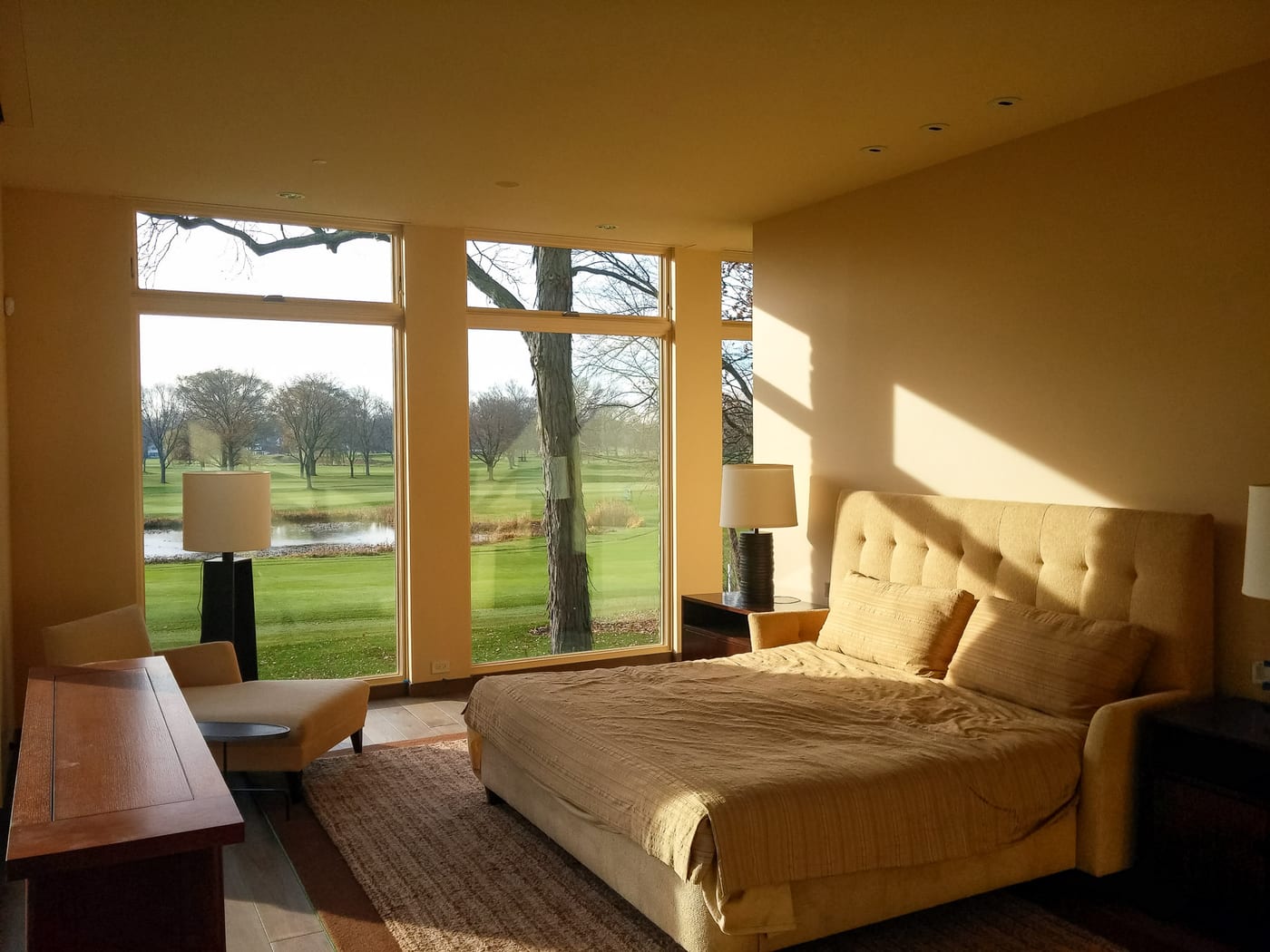
Interior Painting
Complete your kitchen transformation with fresh wall colors to complement your new cabinets.
Color Consultation
Expert guidance on choosing cabinet colors that complement your countertops, backsplash, and flooring.
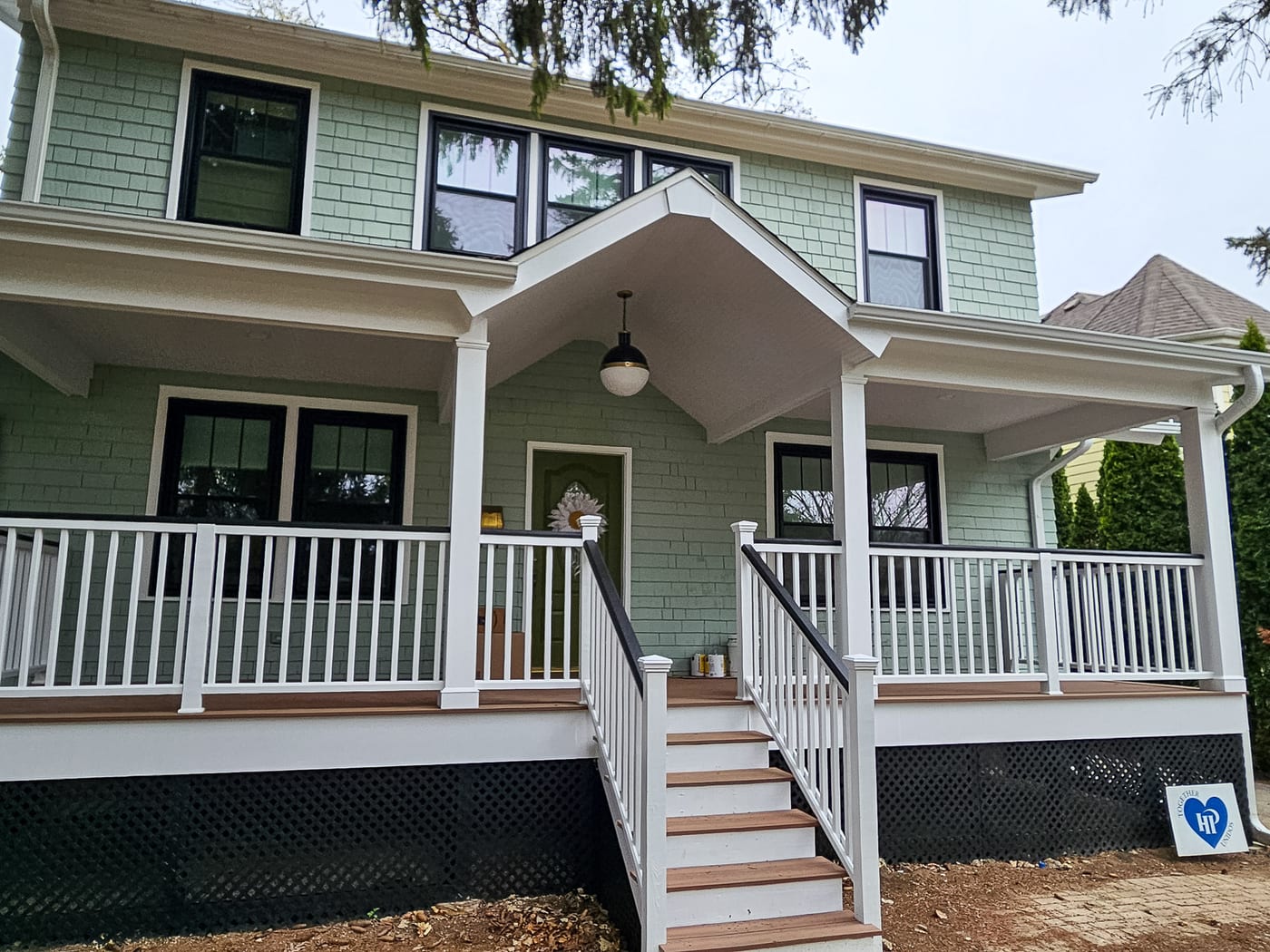
Exterior Painting
Refresh your home's exterior to match your newly updated interior spaces.
Cabinet Painting FAQs — Hinsdale
Common questions about cabinet painting in Hinsdale
Cabinet painting in Hinsdale typically ranges from $4,500 to $8,500. We price at roughly $150 per panel (door or drawer face). A typical 30-panel kitchen runs about $4,500; larger kitchens with more doors and drawers, two-tone finishes, oak grain-fill, or detailed trim can reach $8,500 or more. Bathroom vanities and built-ins are priced separately on a per-project basis.
Most Hinsdale cabinet projects complete in roughly a week, varying with kitchen size, door count, and prep complexity. We remove doors and drawer fronts on day one and finish them off-site in our spray booth — that's where the durable lacquer finish gets applied properly. Cabinet boxes are masked, prepped, and finished in-place. The kitchen is partially functional throughout: refrigerator and sink remain accessible most days. We give you a realistic timeline at the estimate.
Yes, partially. Refrigerator and sink stay accessible most days. Doors and drawer fronts are off-site for several days while we spray and cure them. We schedule the box-masking phase to minimize disruption — most homeowners cook simple meals throughout the project and find the inconvenience manageable for the result.
We spray Sherwin-Williams Gallery Waterborne Lacquers for most kitchen projects and ILVA 1K and 2K polyurethane for higher-traffic or premium installations. These are professional cabinet-finishing products applied with HVLP spray equipment in our booth — not consumer brush-and-roll cabinet paints like Benjamin Moore Advance. The difference shows up in finish smoothness, durability, and how the surface holds up to daily wear.
Painting your existing cabinets typically costs 50 to 70% less than full replacement, with comparable visual results when the existing boxes are structurally sound. The biggest factor is whether your current cabinets are worth keeping — most cabinet boxes from the 1980s onward are solid wood or quality MDF and refinish beautifully. We assess this honestly during the estimate; if your boxes aren't worth refinishing, we'll tell you.
A properly sprayed lacquer or polyurethane cabinet finish typically lasts 8 to 12 years in a typical kitchen — longer with proper care. The finish's durability comes from the product (professional spray-grade lacquer or 2K poly, not consumer brush paint) and the prep work (proper degreasing, scuff-sanding, primer for stain blocking). Wear patterns appear first around handles and edges; touch-ups are straightforward when needed.
A typical cabinet project runs with one to two painters spraying in our booth and a small prep crew handling on-site box masking and prep. The same lead painter handles your project from estimate through final reinstall — you'll have one main point of contact throughout.
Still have questions?
Get in TouchLooking for all painting services in Hinsdale? See our full Hinsdale page .
Need Cabinet Painting elsewhere in Chicagoland? See our Cabinet Painting services .
Ready to Start Your Cabinet Painting Project in Hinsdale?
Get a free, no-obligation estimate. We'll visit your home and provide a detailed proposal.